
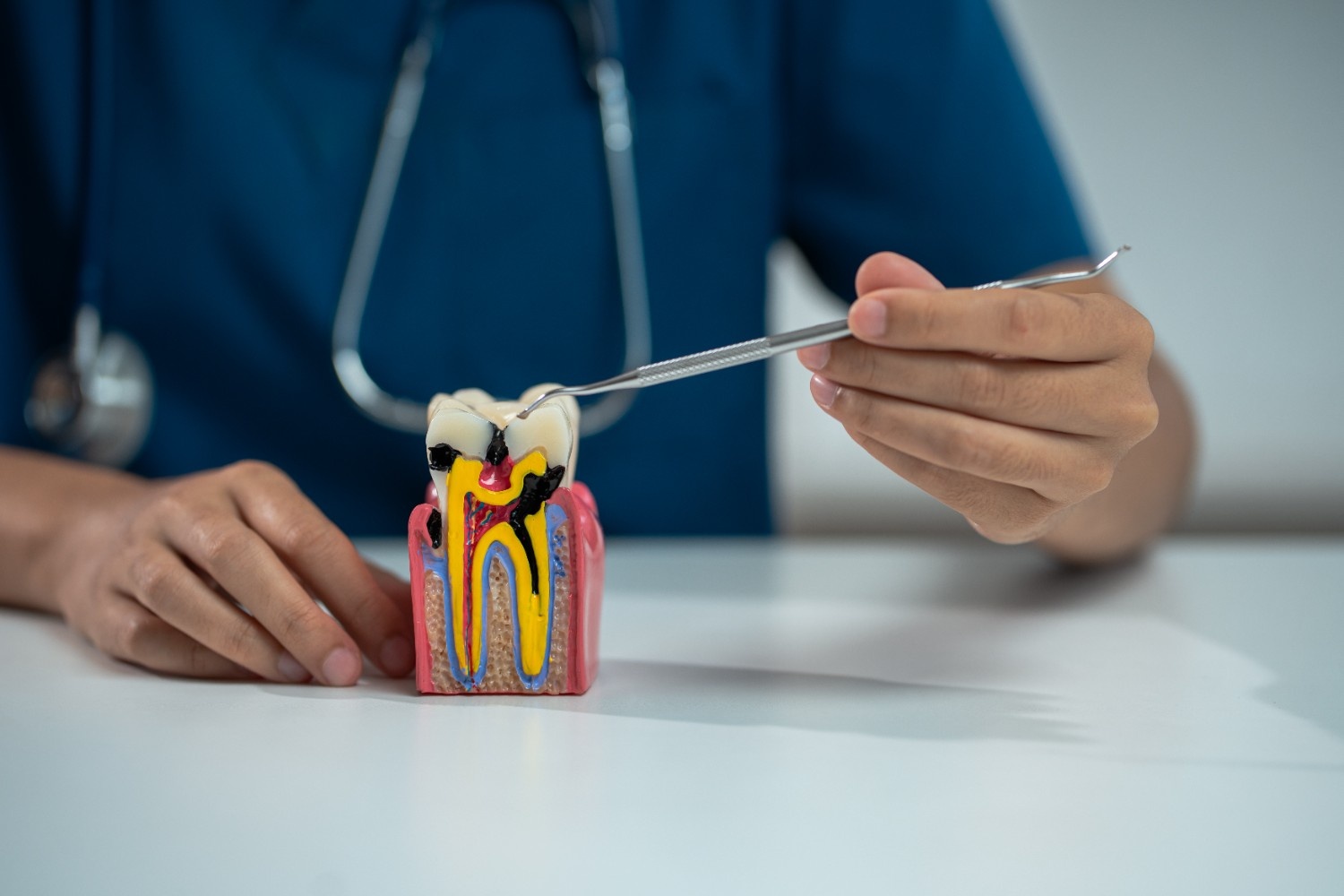
At Parker Dental, we know that the idea of any type of dental surgery is something that can stir up fear in even the most relaxed Australian.
However, knowing exactly what’s involved in the process during and afterwards can go a long way to relaxing nerves and making the whole process less overwhelming.
If you experience regular tooth pain, then you should always get it looked at by a professional.
While it may be very minor, in some cases it could be a serious issue and require treatment such as a root canal surgery.
In this article, we will explain exactly what root canal surgery involves, why it’s important, what to expect in the lead-up and aftermath, dispel common myths and break down how to care for your teeth post-treatment.
What is Root Canal Surgery?
In the case that your teeth require saving, whether due to infection or decay, your dentist may recommend root canal treatment.
This dental procedure aims to save severely damaged and infected teeth. At its core, the treatment involves removing soft tissue from inside the tooth, known as pulp, before cleaning and disinfecting the inside of the tooth and sealing it.
It is one of the most common dental procedures in Australia, and is usually the course of action taken when a tooth is infected, decayed, or has suffered trauma.
According to the Australian Dental Association, millions of these procedures are performed across the country each year, and are considered highly safe and effective for preserving natural teeth, with success rates between 90% and 95%.
What Are the Signs I Need Root Canal Surgery?

The sooner you can identify the need for this procedure, the better your chances are of saving your tooth.
Some of the most common signs that indicate you may need root canal surgery include :
- Severe/Ongoing Tooth Pain :
Persistent or severe tooth pain is one of the most common indicators. This can be spontaneous or occur semi-regularly without any obvious triggers. The pain can be throbbing or sharp, and its intensity can change when pressure is applied.
- Hot and Cold Sensitivity :
If you find your teeth are highly sensitive to hot or cold temperatures, and that pain lingers afterwards, then it can indicate that the pulp inside the tooth is infected or damaged.
- Swollen and Tender Gums :
Swelling can be another sign of infection, and it may come and go. You can develop an abscess, which is an infection at the tip of the tooth root that may require a root canal. It will appear as a little pimple on your gum.
- Tooth Discolouration :
If you notice that your tooth has become dark and discoloured, then it may be a sign that the pulp inside the tooth is dead or in the process of dying. This colour is often a result of there being a lack of blood supply to the tooth.
- Cracked or Chipped Teeth :
If you have suffered from a cracked tooth, it can potentially damage the nerves of your tooth and result in bacteria setting in, leading to inflammation and infection.
- A History of Oral Trauma :
If you have suffered trauma to your tooth from an older accident or injury, you may need a root canal even if there isn’t any immediate pain. Trauma can have damaged the pulp, leading to complications down the line.
The Root Canal Procedure : Step By Step

So, what can you expect during the root canal process?
Well, the end goal is to restore the tooth so that it functions properly, but how do we get here?
Here is a breakdown of the typical steps involved in root canal treatment :
- Examination and Diagnosis :
Your root canal treatment will begin with a thorough evaluation of the affected area. This often includes an X-ray or a series of X-rays to assess the extent of the damage and infection. During an examination, the dentist will check for pain, swelling, or any signs of visible infection in and around the tooth.
- Pain-Free Options :
We know the idea of surgery can be anxiety-inducing for many people; that’s why, to ensure you are comfortable, we administer a local anaesthetic. This will numb the area that is being treated. If it is a serious case, the dentist may prescribe an antibiotic before the treatment to control the infection.
- Accessing the Inside of the Tooth :
Once ready, the dentist will create a small hole in the top of the tooth (crown). This hole allows the practitioner to access the pulp, which is located in the centre of the tooth.
- Removing the Damaged/Infected Pulp :
The dentist will use specialised instruments to remove the infected pulp from the inner part of the tooth. The pulp is made up of nerves, blood vessels, and connective tissue.
- Thorough Cleaning and Shaping the Root Canals :
After the pulp has been removed by the dentist, a detailed cleaning will be done to disinfect the inside of the tooth and root canals. The dentist will shape the root canals to prepare them for sealing. An antimicrobial solution is often used to kill bacteria and ensure that the area is fully clean.
- Filling the Root Canals :
After cleaning and shaping, the dentist fills the empty space with a rubber-like material called gutta-percha. This will help to properly seal the root canals and prevent any future infection from emerging. The access hole is then sealed with a proper filling.
- Restoring the Tooth :
The goal here is to leave you with a tooth that is back to full strength. To achieve this, a crown is typically placed. This is most common for molars as they need extra support due to their chewing function. The crown will bond over the treated tooth to restore it to its original form.
What Happens After Root Canal Surgery?
Like any other surgery or procedure, it’s important to look after yourself to ensure that you recover as smoothly as possible.
Even though most people recover quickly and comfortably with minimal issues post-surgery, there are still several things you need to be mindful of.
In the immediate aftermath, you may experience some numbness and mild discomfort in the affected areas.
It is normal to feel a certain level of tenderness once the anaesthetic wears off. Any pain should be easily managed with paracetamol or ibuprofen.
Especially in the days afterwards, ensure you stick to a soft food diet for at least 24 to 48 hours.
Foods such as yoghurt, soup, or mashed vegetables while your tooth heals. Hard, crunchy, or sticky foods can all damage or dislodge a temporary filling.
Strong dental hygiene is your best friend. Make sure you continue to brush and floss carefully around the treated tooth; be especially gentle if it feels sensitive.
It is better to avoid aggressive brushing. Rinsing your mouth with warm salt water is a great way to soothe the gums and keep bacteria at bay.
A follow-up visit is often recommended to ensure that the healing process is coming along as expected.
If you notice any discomfort or symptoms following surgery, it is essential that you follow up with your dentist.
Once your root canal has healed, your dentist will place a permanent crown or filling on the tooth to protect it from sustaining any further damage.
Root Canal Before and After:

Diagnosis and Preparation: Your dentist examines the tooth, takes X-rays, and applies local anaesthetic to ensure you’re comfortable before starting treatment.
Cleaning the Root Canal: A small opening is made to access the infected pulp. The canals are cleaned, disinfected, and shaped to remove bacteria and decay.
Filling the Canal: The cleaned canals are filled with a biocompatible material to seal them and prevent reinfection.
Restoration and Protection: A filling or crown is placed to restore the tooth’s strength, function, and appearance – completing your root canal treatment.
Common Myths About Root Canal Treatments
There are many misconceptions around root canal treatments and what’s involved in the process.
Here are some of the most common you’ll see.
- Root Canals Are Painful :
Modern root canal procedures are virtually painless thanks to today’s advanced anaesthetic practices and dental technology. It is no more painful than a regular filling in many cases.
- It Is Always Better to Pull the Tooth :
A root canal treatment is an excellent choice because it allows you to keep your natural tooth structure. This ensures proper jaw alignment, chewing, and appearance. Tooth extractions, on the other hand, aren’t inherently a bad option, but can lead to other complications and further costs down the track.
- It Requires Numerous Appointments :
This is also false, with most treatments completed in one or two visits. However, this can be different depending on how severe the infection is and whether a crown is required or not.
- You Can Become Sick From Treatment :
There is a myth that can cause illness or infection in other parts of the body. However, this is an outdated take that has been disproven by modern science. A root canal is a safe and effective procedure that does not cause illness.
- You Only Need a Root Canal If You’re In Pain :
This isn’t the case, as not all infections will cause pain, especially if the tooth has already died. By maintaining regular dental check-ups, you can ensure that you catch problems early on.
Other Recovery Tips Post Root Canal Surgery
- Rest and relax
- Avoid strenuous activity in the immediate aftermath
- Follow post-procedure pain management
- Be mindful of your temporary filling
- Maintain strong oral hygiene habits
- Eat soft foods almost always, especially early on
- Cold compress the area if swelling is present
- Avoid smoking and alcohol, as they can slow down the healing process
- Drink plenty of fluids and stay hydrated
- Follow up with your dentist and flag any concerns you may have
Root Canal Treatment at Parker Dental
Parker Dental has been serving the Williamstown community for more than 18 years and is the top choice for Melbourne locals when it comes to root canal surgery.
Our expert team bring a friendly and compassionate approach to every procedure, ensuring that we meet the needs of each and every one of our patients.
If you are feeling anxious or suspect that you may need root canal surgery, get in touch with Dr Brendon Parker and the rest of the team at Parker Dental on 03 9397 6021.