
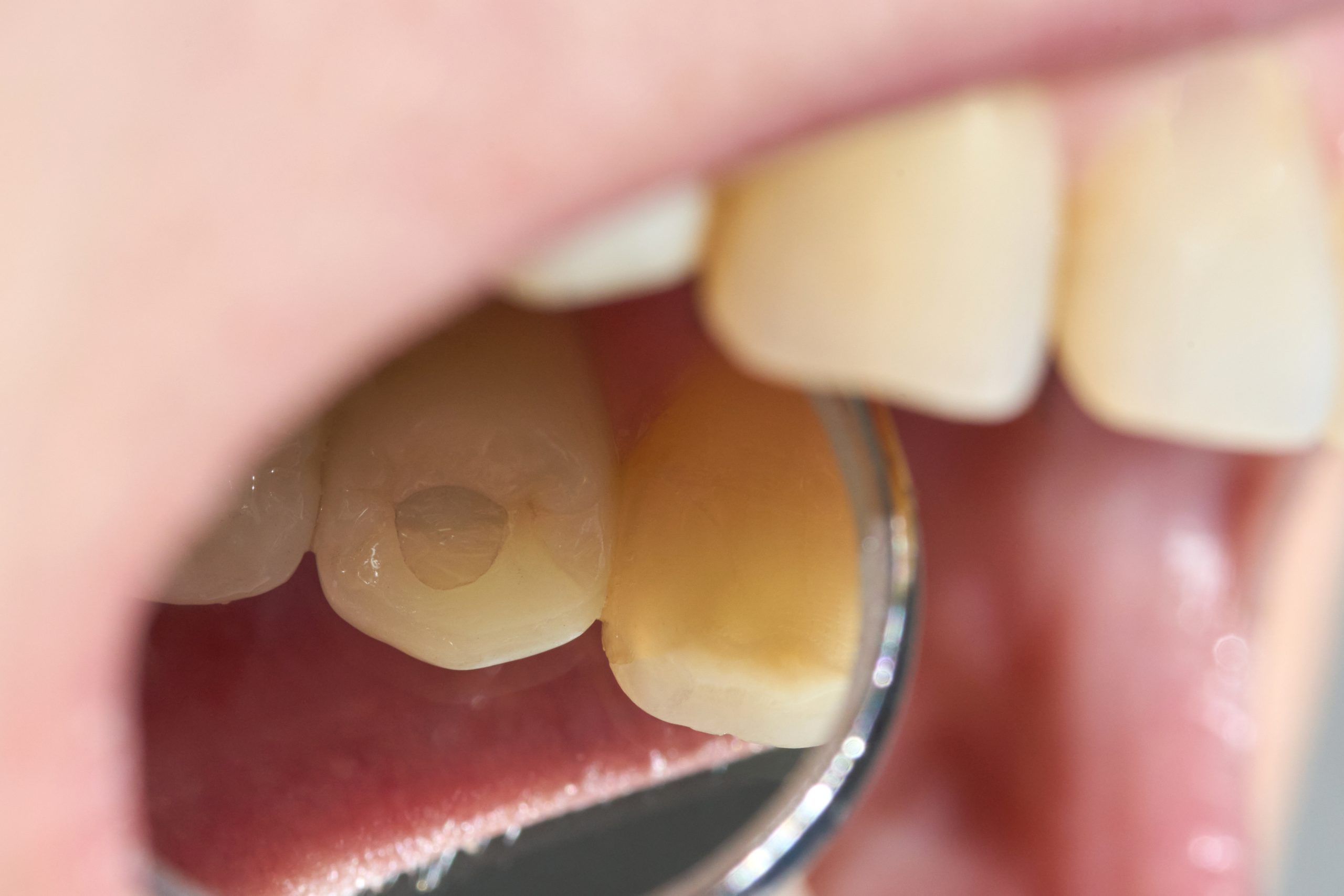
Fillings are one of the most common dental procedures for adults in Australia, and if you’re treating cavities as a result of tooth decay, your dentist has likely recommended one. You’re not alone, and you wouldn’t be alone in wondering what a tooth filling may cost either.
Every bite is unique, and as leading dentists in Williamstown and Melbourne, we understand that you need treatment suited to your individual concerns, budget, and long-term oral health. There’s no one-size-fits-all filling, and treatment plans can vary depending on several factors.
In this guide, we’ll walk you through the most common types of filling, their main differences, how to assess which is right for you, and what you can expect to pay for a tooth filling in Australia.
What is a tooth filling?
Tooth fillings, or dental fillings, are a common restorative treatment used to repair cavities in teeth.
The process for a dental filling is simple, effective, and essential in preventing further decay to the appearance or function of your teeth.
To fill a tooth, your dentist will remove the damaged parts, then clean and fill the affected area with the material best suited to your cavity treatment plan. Some of the most common fillings include composite, ceramic, and gold.
Dental fillings are durable and can last up to 20 years, but both their lifespan and cost will vary depending on the type of material used to repair your teeth.
Types of dental fillings
There are a range of different tooth fillings available, and a dentist in Williamstown can help you determine the right treatment plan for your individual needs.
Common filling types used by dentists in Australia include:
- Composite (resin) fillings for their lower costs and natural appearance
- Ceramic (porcelain) fillings for their high durability and aesthetic appeal
- Amalgam (silver) fillings for their lower costs and high durability
- Gold fillings for their high durability and long lifespan
Some dentists may offer a temporary filling when multiple appointments are necessary to treat your tooth, or in emergency cases, but these should always be replaced with a permanent filling.
To help you better understand the specific pros and cons of each filling type, we’ve broken down some of their key features for you:
| Amalgam filling | Composite filling | Ceramic filling | Gold filling | |
| Composition | Silver, mercury, tin, copper, zinc | Plastic and fine glass (resin) | Porcelain | Gold |
| Estimated cost | Lowest ($100–$400) | Lowe ($150–$500) | High ($1,400–$1,900) | Highest ($1,500–$2,500+) |
| Durability | High (10–15 years) | Medium (5–10 years) | High (10–20 years) | Very high (15–30 years) |
| Visibility | High | Low (match tooth colour) | Low (match tooth colour) | High |
| Used for | Molars and deep cavities* | Small–medium fillings | Visible areas | Long-lasting treatment |
| Process | Some tooth is removed to apply and stabilise the filling | Some tooth is removed to bond (glue) the filling | Custom-made in a dental lab and may require two appointments | Custom-made in a dental lab and may require two appointments |
* Amalgam fillings are safe, effective, and supported by the Australian Dental Association. They are not, however, recommended for anyone pregnant or breastfeeding.
Cost of dental fillings in Australia
Material and durability are just some of the factors to consider when choosing the right filling treatment for your teeth. For most people, the decision ultimately comes down to the cost.
On average, you can expect to pay between $100 and $500 for a basic filling, and anywhere from $1,400 to $2,500 or more for complex fillings.
Estimated costs per filling type in Australia can look like:
| Average cost range | |
| Amalgam fillings | $100–$400 |
| Composite fillings | $150–$500 |
| Ceramic fillings | $1,400–$1,900 |
| Gold fillings | $1,500–$2,500+ |
Tooth filling cost factors
While material plays a major role in determining the total cost of a tooth filling, it is not the only influencing factor. Average filling costs can also vary depending on:
Size & complexity
Fillings typically cost less for small cavities and more for deep or large cavities. To determine the scale of your treatment, your dentist will assess the number of affected surfaces (or sides). In general:
- 1 surface = Single filling
- 2–3 surfaces = Moderate filling
- 4+ surfaces = Complex filling
Number of fillings
Total costs will increase for every additional tooth being filled, to cover the time (15–20 minutes per tooth) and materials required for treatment. Many dentists recommend a maximum of three fillings at a time.
Clinic location
Dental clinics in major metropolitan cities, like Sydney and Melbourne, are typically more expensive than their rural counterparts.
Required treatment
A complex restoration requiring more effort, time, and experience (like filling a tooth in the very back of your mouth) will come at a higher rate than a simple procedure.
Health insurance
Some private health insurance plans may cover or reduce out-of-pocket dental expenses.
Tips to reduce tooth filling costs
Committing to any dental procedure does not occur without first weighing it against your budget.
Some fillings may fall within your affordability range, but others – particularly those higher-cost treatments – may require a second look.
The most effective method of saving money on a dental filling is prevention, but this isn’t always possible.
Depending on your circumstances, there are steps you can take to reduce your costs and still receive the quality care your teeth deserve:
Preventative care
Prevention is the best method of saving money on dental fillings. Regular check & clean services and good oral hygiene can help detect decay before it becomes a significant problem with more expensive treatment, like root canal surgery.
Payment plans
Many dental clinics offer payment plans, like Parker Dental’s SuperCare, to alleviate the stress and financial pressure of essential dental treatments.
Health insurance
Check your private health insurance coverage to see if you’re eligible to claim for dental – some policies may cover a portion of your total or out-of-pocket expenses.
Don’t delay treatment
The cost of a filling is significantly less than paying for more extensive treatment down the line. Speak to your dentist immediately if you have any concerns, and don’t let the decay develop to the point that a crown, root canal, or dental implants are your only option.
Post-filling protection
Extend the lifespan of your new filling with proper care (don’t grind your teeth or use them to open things, brush and floss regularly, and avoid hard foods wherever possible).
Consider alternatives
If you’re worried about the overall cost of your filling, there are a range of treatment options for you to consider, and a qualified dental professional can walk you through each of them
Whether you need a check-up, cosmetic uplift, or full restorative works, our team of experienced dentists is committed to your care, offering a wide range of treatment options to suit your dental needs.
For help determining the right treatment plan for your teeth, you can book an appointment with our team or take a free online smile assessment today.