
Dental implants represent both a time commitment and a financial commitment, so it’s natural to want to know; how long do full dental implants last?
The good news is that they last a very long time, and are considered one of the most long-term solutions for tooth loss available.
In this article, we’ll cover how long do dental implants usually last, what factors impact their lifespan, and if dental implants are worth it for you.
If you’re curious about tooth restoration and want to learn more about your options, as well as finance plans available to you, Parker Dental can help.
As a leading Melbourne dentist, we believe that all patients deserve the highest standard of care.
We specialise in dental implants, and offer payment options like Denticare, Ezidebit, After Pay and Zip to ensure everyone has access to essential dental services including all on 4 dental implants, orthodontics, root canals, periodontics, and maxillofacial surgery.
What are dental implants?
Dental implants are a tooth restoration system that have the same look and function as real teeth.
This is an incredible solution for those who have experienced complete tooth loss.
Not only do implants restore your smile, but they can also prevent jawbone deterioration and the shifting of adjacent teeth.
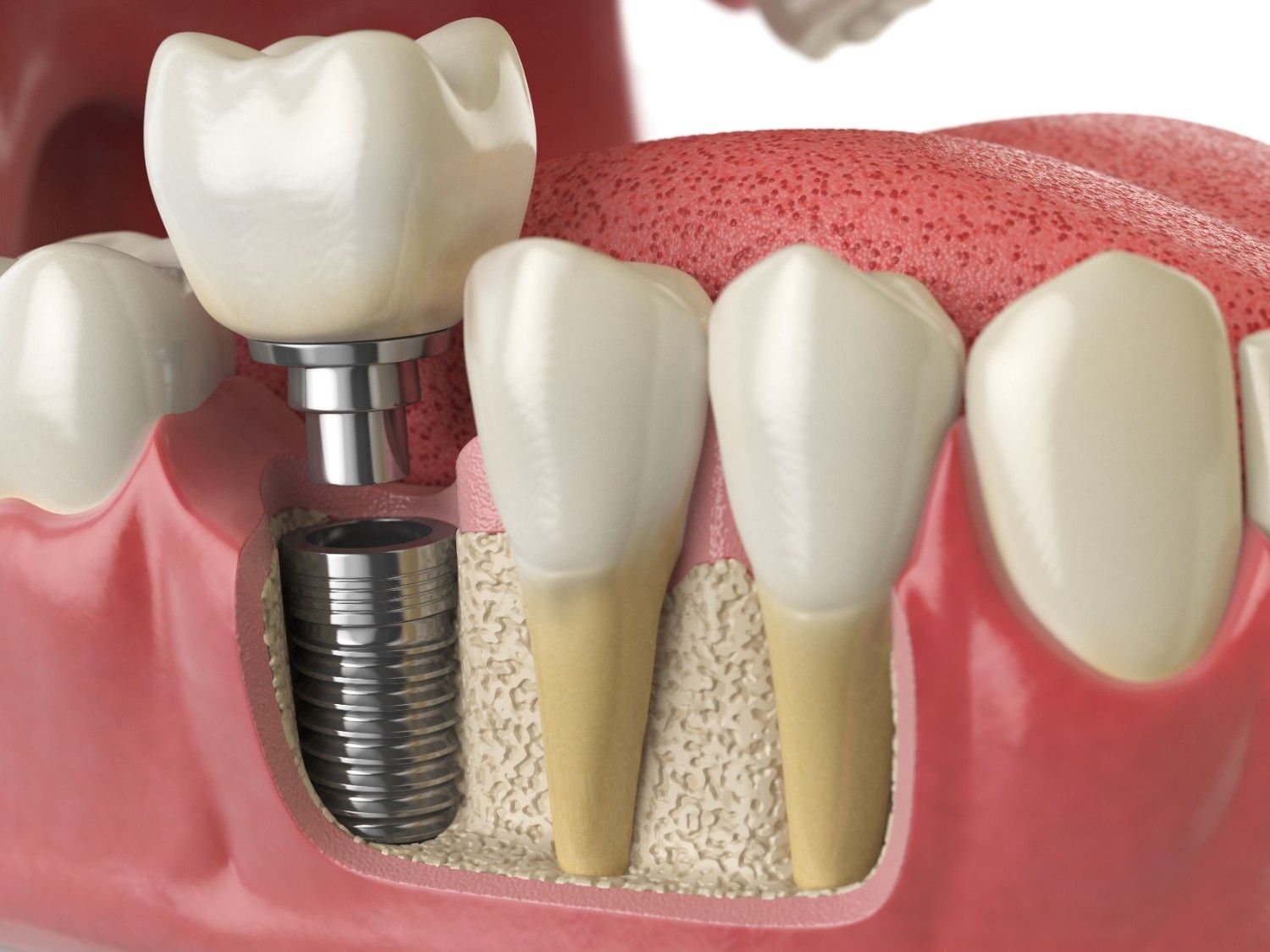
To answer questions like how long do full mouth dental implants and how long do mini dental implants last, the first thing you need to understand is that what we think of as an ‘implant’ actually consists of three separate parts.
The first part is the titanium that fuses with the jaw.
This is placed first and followed by the abutment, which is attached to the post and will hold the crown in place.

Average lifespan of dental implants
So, how long do dental implants last on average?
As we’ve mentioned, there are different aspects to dental implants, each with their own corresponding lifespan.
The post is far and away the most durable part, though you can expect the crown to last for a long time too.
| Factor | Typical Lifespan | Details |
|---|---|---|
| Dental Implant (Post) | 20+ years | The titanium post is highly durable and can last a lifetime if well cared for. |
| Dental Crown/Restoration | 10–25 years | Crowns or restorations may need replacement after 10–15 years, depending on wear and tear. |
| Implant Success Rate (Short-term, 5-10 years) | 95%+ | Implants have a high success rate, with 95–98% surviving for 5–10 years. Factors like oral hygiene play a big role. |
| Implant Success Rate (Long-term, 20 years) | 80–90% | Long-term success rates drop slightly, but implants can last for decades with proper care. |
Factors that affect how long do dental implants last for
When it comes to how long do titanium dental implants last, some things are outside your control, including your bone density and preexisting medical conditions.
Other aspects, like lifestyle choices and oral hygiene, are well within your control, and your choices can decide the longevity of your implants.
Here are the factors that decide how long do dental implant crowns last :
- Quality and quantity of the jawbone— implants placed in denser bone tend to last longer.
- Oral hygiene and maintenance (brushing, flossing around the implant, and regular check‑ups) — poor hygiene increases risk of complications like peri‑implantitis.
- Smoking and lifestyle habits — smoking restricts blood flow and healing, which raises the risk of implant failure.
- Bruxism (teeth grinding) or excessive biting forces — too much force on the implant may lead to mechanical damage or bone loss.
- General health and medical conditions (uncontrolled diabetes, osteoporosis, autoimmune disorders) — these can impact healing, bone health and implant integration.
- Surgical technique and implant placement — correct positioning, good integration (osseointegration), and use of quality materials improve long‑term success.
- Material and design of the implant/restoration (grade of titanium, surface treatment, prosthetic design) — these technical/biomaterial factors influence durability.
- Ongoing professional care and monitoring — detecting early issues (bone loss, gum inflammation) means problems can be fixed before they become serious.
The long-term value of dental implants
When you lose a tooth, it’s not just the gap you’re left with.
Dental implants can be a life-changing solution for those who have experienced tooth loss;
- by taking over the job of the root and keeping the bone stimulated, implants prevent jaw‑bone shrinkage.
- implants stop neighbouring teeth from drifting, reducing the risk of bite problems or uneven wear.
- and, by maintaining bone structure, implants preserve the structure of your face.
When compared with dentures that simply lie on gum tissue, implants offer a far more stable, long‑term solution—one that supports your overall oral health.
Ready to learn more?
If you are looking for dental implants in Melbourne, from single implants to All-on-4 dental implants, our team at Parker Dental is here to help.